
Baloch Prisoner Executed in Kerm, IVBMP Condemns Iran’s Revolutionary Courts
KERMAN
A 39-year-old Baloch prisoner was executed at dawn on Sunday, June 14, 2026, in Kerman’s Shahab Prison, according to human rights advocates monitoring the region.
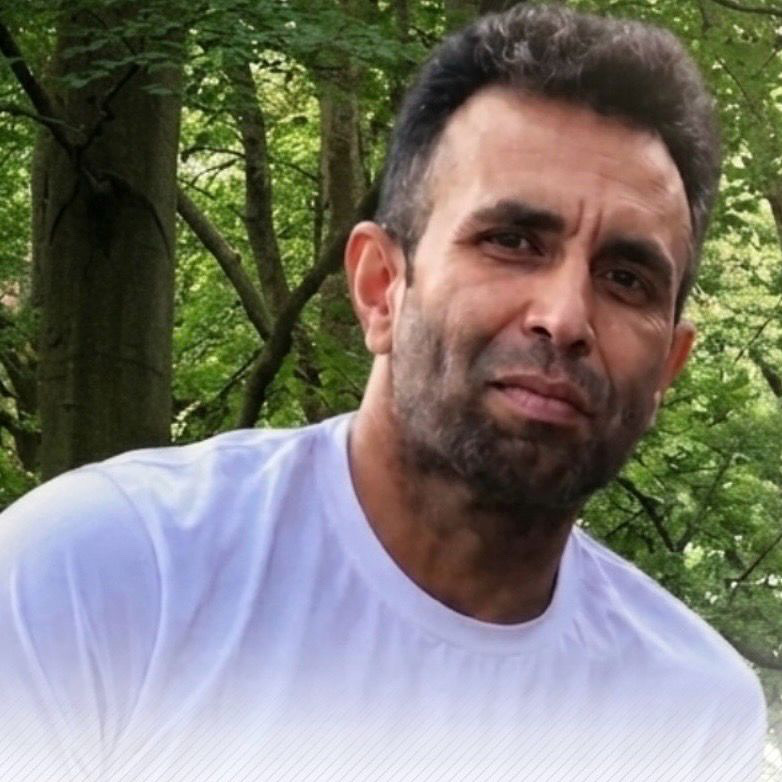
The prisoner, identified as Hossein Keshani, a resident of Azadshahr in the Golestan province and father of Ibrahim, had been held for several years following his arrest in Kerman. He was transferred to solitary confinement the day before the execution was carried out.
While authorities cited drug-related offenses for Keshani’s death sentence, international rights organizations and regional experts widely condemn these as fabricated charges. Iran’s Revolutionary Courts, which oversee such cases, operate under highly secretive conditions and fail to provide defendants with a fair trial or access to a legitimate legal defense.
Human rights monitors emphasize that the Iranian government routinely uses these courts as political tools to suppress ethnic and religious minorities—including Baloch, Kurdish, and Arab populations—as well as political activists, intellectuals, and religious dissidents. Drug charges are frequently leveraged as a pretext by the regime to justify the state-sanctioned execution of individuals belonging to marginalized groups.
Data collected throughout 2026 underscores a disproportionate targeting of the Baloch minority:
137 documented executions of Baloch prisoners have been recorded across 27 different Iranian facilities this year alone.
Zahedan Prison saw the highest concentration, accounting for 34 of the executions.
68.6% (94 individuals) of these executions were carried out under the umbrella of drug-related allegations.
26.3% (36 individuals) were executed on murder charges.
The remaining cases included four individuals executed on political or ideological grounds, two for alleged rape, and one on unspecified charges.
The execution of Keshani further highlights growing international concerns over Iran’s escalating use of the death penalty as a mechanism of internal political repression.